
 See Our Latest Article on HelloNation

Are chiropractic adjustments useful for athletes?
Chiropractic adjustments may help some athletes manage back or neck discomfort, maintain movement, and return gradually to activity. Their most reliable role is usually symptom management and support for normal function—not a guaranteed boost in speed, strength, or competitive performance.
An adjustment, also called spinal manipulation, uses a controlled force to a joint or group of joints. Chiropractors may combine adjustments with mobility work, exercise guidance, soft-tissue techniques, and advice about training loads. The appropriate approach depends on the athlete’s symptoms, sport, medical history, and examination findings.
Research on athletic performance is limited. A systematic review found that some small studies reported improvements in performance tests, but the overall evidence was considered weak, and the studies did not establish better results during actual competitions. Another review of healthy adults found that spinal manipulation generally did not improve performance-based outcomes compared with sham treatment or other approaches. ([pubmed.ncbi.nlm.nih.gov](https://pubmed.ncbi.nlm.nih.gov/29191288/?utm_source=openai))
What benefits might an athlete notice?
The potential benefits are most relevant when an athlete has a musculoskeletal problem affecting movement or comfort.
Reduced pain and improved function
Spinal manipulation can provide modest short-term relief for some types of low-back pain. It may also help certain people with neck pain or stiffness. Less pain can make it easier to walk, train, sleep, and perform rehabilitation exercises.
This does not mean an adjustment repairs every injury. Athletic pain can come from muscle strain, tendon problems, joint injury, stress fracture, nerve irritation, or illness. The cause matters. A treatment that helps one type of back pain may not be appropriate for a knee injury or unexplained pain after a collision.
Improved movement
Some athletes report easier rotation, bending, or extension after treatment. Research has found short-term changes in range of motion in some settings, although results vary by body region, technique, and study design. An athlete who feels less restricted may move more comfortably during warmups, lifting, throwing, running, or changing direction.
Improved movement should be tested through useful activities rather than judged only by how the joint feels on a treatment table. For example, a runner might assess stride comfort, while a softball player might monitor throwing motion and trunk rotation.
Support during rehabilitation
Adjustments may be used as one part of a broader rehabilitation plan. Exercise remains central because strength, coordination, balance, and tolerance to workload are what allow an athlete to return safely. Treatment may help an athlete participate in those exercises more comfortably, but it should not replace progressive loading or sport-specific retraining.
For athletes managing low-back pain, research supports exercise as a commonly studied approach, while evidence is insufficient to determine the value of spinal manipulation alone or manual therapy used by itself. ([pubmed.ncbi.nlm.nih.gov](https://pubmed.ncbi.nlm.nih.gov/33355180/?utm_source=openai))
Can an adjustment improve athletic performance?
A temporary change in mobility or muscle response is not the same as improved athletic performance. An adjustment should not be viewed as a substitute for conditioning, technical practice, adequate nutrition, sleep, or recovery between training sessions.
Current evidence does not establish that routine spinal adjustments make healthy athletes faster, stronger, or more powerful. Positive findings in some small studies have involved immediate laboratory tests, and the practical importance of those changes remains uncertain. ([pubmed.ncbi.nlm.nih.gov](https://pubmed.ncbi.nlm.nih.gov/31183076/?utm_source=openai))
For local athletes, performance is often influenced by ordinary conditions: uneven outdoor surfaces, cold-weather stiffness, long school or work days, repetitive lifting, and abrupt increases in training when a season begins. Addressing those factors may matter more than receiving passive treatment alone.
When might chiropractic care be considered?
An evaluation may be reasonable when an athlete has uncomplicated musculoskeletal pain, restricted movement, or a recurring problem that has been assessed and is appropriate for conservative care.
Common examples may include:
- Nonspecific low-back pain
- Mild activity-related joint stiffness
- Neck or upper-back discomfort related to training posture
- Movement limitations that interfere with rehabilitation
- A gradual return to activity after a minor strain, when serious injury has been ruled out
Care should be coordinated with the athlete’s broader health needs. A young athlete, adult recreational player, high school competitor, or older resident beginning a new exercise program may require different testing and exercise progressions.
When should an athlete avoid an adjustment or seek prompt medical evaluation?
An adjustment is not appropriate for every injury. Prompt medical evaluation is warranted after significant trauma or when symptoms suggest a fracture, dislocation, serious nerve problem, infection, or another condition requiring specialized care.
Warning signs include:
- Inability to bear weight or use an arm normally
- Severe or worsening pain after a collision or fall
- New weakness, loss of coordination, or numbness
- Loss of bladder or bowel control
- Fever, unexplained weight loss, or feeling acutely ill
- Severe headache, dizziness, vision changes, or fainting after neck trauma
- Persistent night pain that is not linked to activity
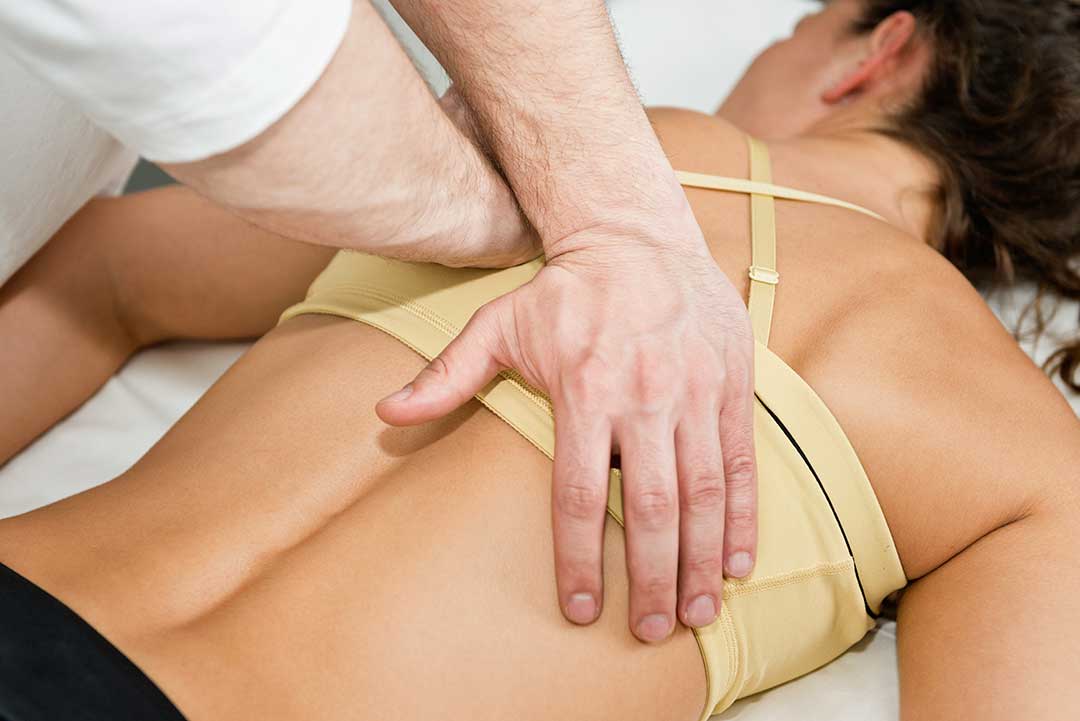
Neck manipulation deserves particular caution. Mild soreness, stiffness, or headache can occur temporarily after spinal manipulation. Serious complications are rare, but serious spinal or neurological problems and cervical artery dissections have been reported. The relationship between neck manipulation and artery dissection remains debated, yet the potential risk should be discussed, especially when an athlete has unusual headache or neurological symptoms. ([nccih.nih.gov](https://www.nccih.nih.gov/health/spinal-manipulation-what-you-need-to-know?utm_source=openai))
What should athletes ask before treatment?
A useful evaluation should explain what is being treated and how progress will be measured. Athletes can ask:
- What is the likely source of the pain or movement limitation?
- Are there signs that require imaging or another type of evaluation?
- What will the adjustment add to an exercise-based plan?
- What activities should be limited temporarily?
- What symptoms mean training should stop?
- How will return to sport be judged?
- Are there health conditions or medications that affect safety?
A clear plan should include active steps such as gradual strengthening, mobility work, balance training, technique changes, or adjustments to practice volume when appropriate.
How can athletes use adjustments responsibly?
The safest approach is to treat adjustments as one possible tool rather than a routine performance ritual. Athletes should avoid using treatment to mask pain so they can continue full-intensity training. Pain relief without restored strength, coordination, and load tolerance can create false confidence.
During Chenango’s changing seasons, athletes may also need to account for cold muscles, slippery outdoor conditions, snow-related falls, and sudden transitions from indoor activity to outdoor competition. A gradual warmup, suitable footwear, hydration, recovery days, and sensible increases in training volume remain basic parts of injury prevention.
The practical question is not whether every athlete needs an adjustment. It is whether a specific athlete has a problem for which spinal manipulation is reasonably supported, whether risks have been screened, and whether the treatment fits into an active rehabilitation and training plan.
