
 See Our Latest Article on HelloNation
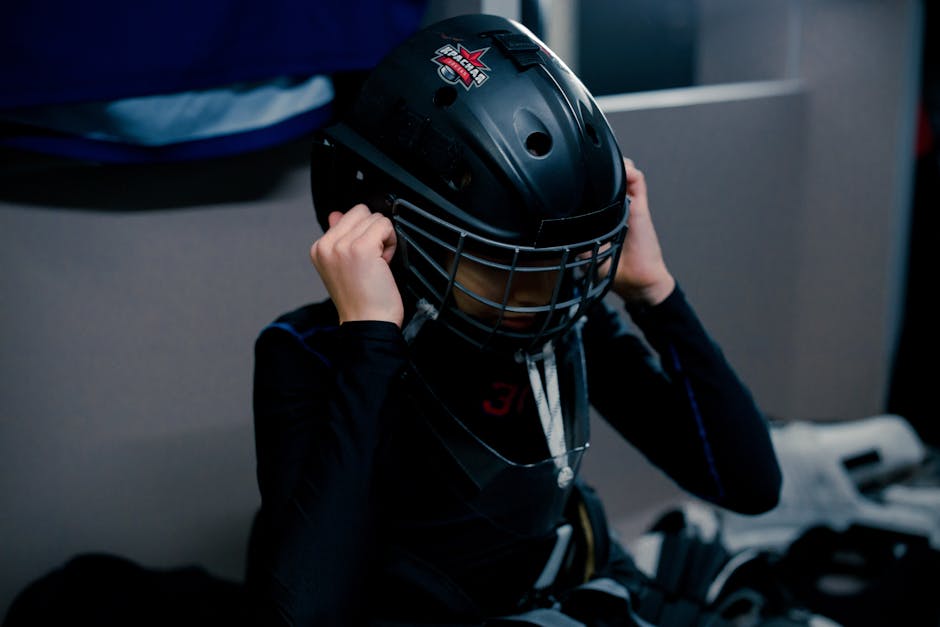
Sports are a vibrant part of life in Chenango, NY, bringing together youth athletes and adult teams who share a passion for competition and teamwork. With its abundance of outdoor recreational opportunities, community leagues, and school sports programs, Chenango thrives on physical activity. However, the prevalence of contact and high-impact sports in our town also brings an increased risk of sports-related concussions—a serious injury requiring thoughtful prevention and management.
As a local chiropractor deeply invested in community well-being, I want to share effective, evidence-based strategies for preventing sports concussions. These practical tips are tailored for athletes, coaches, parents, and anyone involved in the local sports scene.
Understanding Sports Concussions
A concussion is a mild traumatic brain injury caused by a blow or jolt to the head or body, leading to temporary disruption of normal brain function. Symptoms can include headaches, confusion, dizziness, memory loss, and sometimes even changes in mood or sleep patterns. While many concussions heal with proper rest and care, repeated injuries can have long-term consequences—especially in young athletes.
Why Sports Concussion Prevention Matters in Chenango, NY
With favorite sports like football, soccer, lacrosse, and basketball being prevalent, student athletes at Chenango Forks or Chenango Valley schools, as well as members of local recreational leagues, are often at risk. The rural and outdoors-oriented lifestyle means that kids and adults are frequently biking, skiing, or playing pickup games. Therefore, concussion prevention is not just for organized sports, but for every active resident.
1. Promoting Proper Technique and Sportsmanship
- Athletes should be taught correct playing techniques, such as safe tackling in football and proper heading in soccer.
- Coaches need to emphasize rules against dangerous plays or aggressive conduct.
- Encouraging a culture of sportsmanship—where safety is prioritized over winning—is vital in youth leagues and pickup games alike.
2. Using the Right Protective Equipment
- Ensure helmets, pads, and mouthguards fit properly and are well-maintained.
- Replace helmets after major impacts or according to manufacturer guidelines.
- In Chenango, where lacrosse and cycling are popular, athletes should never skip their helmets—even for “just a short ride” on local trails like those in Chenango Valley State Park.
3. Educating the Community
- Host workshops for parents, coaches, and athletes on recognizing concussion signs and symptoms.
- Distribute informational materials at school and community events, such as Chenango’s annual sports tournaments or outdoor fairs.
- Make use of trusted local health professionals to provide guidance and answer questions in person.
4. Enforcing ‘Return-to-Play’ Protocols
- After a suspected concussion, athletes should be seen by a healthcare provider before returning to play.
- Follow New York State and school district protocols for step-wise return to sports. This usually includes a period of rest followed by gradual reintroduction to physical activity.
- Coaches should be familiar with the “when in doubt, sit them out” rule to protect young brains.
5. Fostering Neck and Core Strength
- Strong neck and core muscles help absorb impact forces, reducing concussion risk.
- Incorporate strengthening exercises into preseason training and as part of PE classes in local schools.
- Sports like wrestling and hockey, which are part of the Chenango athletic culture, particularly benefit from additional neck strengthening.
6. Adapting Field and Facility Conditions
- Regular maintenance of playing surfaces in schools and parks can minimize dangerous falls.
- Ensure fields are free of holes and debris, particularly before community soccer games or events at the Chenango Commons Rec Fields.
- Use properly padded goalposts and gym mats in sports with higher fall risks.
7. Encouraging Open Communication
- Athletes should feel comfortable reporting symptoms of a head injury without fear of stigma or letting down their team.
- Parents should have honest conversations with their children about the risks of pushing through pain or hiding injuries.
- Open dialogue ensures timely care and can prevent long-term issues.
8. Embracing Local Resources
- Take advantage of community health clinics, sports medicine practitioners, and chiropractic care available in the Chenango area.
- Attend educational sessions hosted by local experts on concussion recognition and safe return to sport.
- Utilize local partnerships between schools, community centers, and healthcare providers to foster a safer sporting environment.
Conclusion
Concussions are a serious concern in sports, especially in active communities like Chenango, NY where sports are central to local life. Preventing these injuries requires a combination of smart equipment choices, quality coaching, community education, and proactive health care. By working together, our athletes, parents, and coaches can maintain the vibrant sports culture we all cherish—while prioritizing long-term brain health.
For more resources or to discuss safe sports practices, consider reaching out to a local sports medicine specialist or your trusted chiropractor here in Chenango. Prevention is always preferable to treatment when it comes to head injuries, and every small step makes a difference in the safety of our athletes.
