
 See Our Latest Article on HelloNation

Can Chiropractic Methods Address Migraines?
Chiropractic care may play a role in migraine management for some residents in Chenango, NY. Many individuals looking for relief from chronic headaches are curious whether spinal adjustments and related chiropractic techniques could lessen the frequency or severity of migraine symptoms. While migraines have various causes and triggers, certain chiropractic strategies might help some people manage discomfort alongside typical medical approaches.
How Might Chiropractic Care Help With Migraine Symptoms?
Spinal adjustments and related therapies from chiropractors focus on improving musculoskeletal health, especially in the spine and neck. For migraine sufferers, the connection lies in how misalignments (often called subluxations) and muscle tension can impact nerve function and blood flow, two factors considered by researchers as possible contributors to migraine attacks.
Residents in the area may notice the following ways these methods are used for symptom management:
- Addressing minor joint restrictions in the neck and upper back
- Releasing muscle tightness which may come from prolonged desk work or repetitive motions
- Advising on posture, especially relevant during long, cold winters when people spend more time indoors
- Providing guidance on ergonomic habits to reduce strain
While not appropriate for all kinds of headaches, such approaches are often explored by people who want to complement their migraine management plan without relying solely on medication.
What Does the Research Say?
Studies on chiropractic care as a migraine treatment show mixed but promising results. Some research suggests that spinal manipulation can help reduce the frequency and intensity of migraines for certain individuals, especially those who have muscle tension or poor alignment contributing to their symptoms. Others find the effect to be modest, with placebo playing a role in pain perception.
Misconceptions that chiropractic adjustments are a universal cure for migraines are not supported by current science. Instead, evidence suggests some migraine sufferers—particularly those with neck tension—may experience significant benefits, while others might see little change.
What Should Local Residents Expect During a Visit?
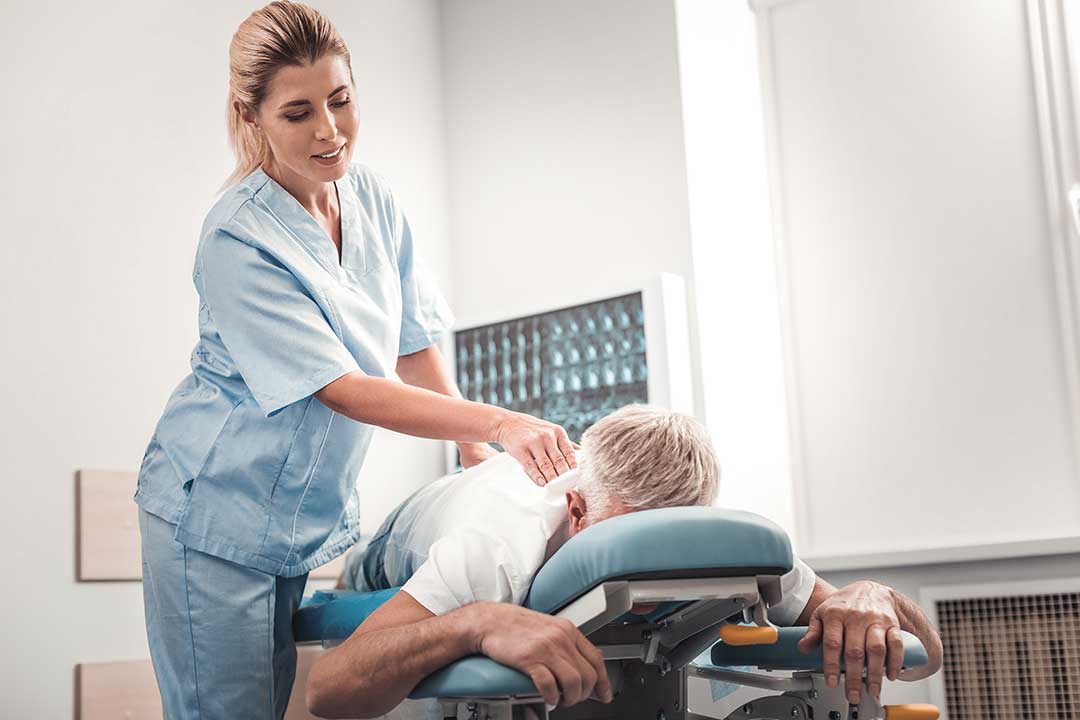
Migraine-focused chiropractic care generally starts with a detailed evaluation, where lifestyle, posture, and headache patterns are discussed. A chiropractor will check spinal alignment, neck mobility, and muscle tension. Treatment, if appropriate, may involve gentle spinal adjustments and soft tissue techniques.
Sessions might also include:
- Advice on desk setup or work habits for those in remote or hybrid roles common in Chenango
- Simple stretches or exercises for at-home use
- Education on potential migraine triggers relevant to the local climate, such as seasonally dry indoor air or temperature fluctuations affecting neck muscles
Those considering chiropractic approaches for headaches should communicate openly about their migraine history and medication use, as this helps tailor the care to individual needs.
Who Might Experience Relief?
Chiropractic care for migraines is most often suited to individuals whose headaches are linked to tension, posture, or musculoskeletal strain. For example, area households where remote work has increased screen time may notice posture-related neck stress that aggravates headaches. Similarly, anyone experiencing neck stiffness after shoveling snow or spending hours driving during winter months might notice improvement with chiropractic interventions.
Migraines caused by underlying conditions—such as hormonal shifts, vascular issues, or neurological disorders—may not respond as well to this method. In these cases, working with a qualified healthcare provider to identify root causes remains essential.
Are There Risks Involved?
Generally, chiropractic adjustment by a trained professional is considered safe for most adults. Risks are lower than many assume, though rare complications, such as temporary soreness, do occur. Certain people—such as those with severe osteoporosis, spinal instability, or specific neurological diagnoses—may not be candidates for spinal manipulation.
It’s wise for city residents with new or severe migraines to seek medical evaluation first, especially when symptoms are suddenly severe, accompanied by visual changes, or if there’s a history of neurological illness.
How Does Chiropractic Care Fit Into Broader Migraine Management?
Chiropractic care is most effective when seen as one part of a broader strategy. In Chenango, many residents take a combined approach to migraine management that may include dietary changes, stress management, medication, and non-pharmacological therapies such as physical therapy or acupuncture.
For those suffering frequent headaches, even small changes in lifestyle, workspace ergonomics, or posture, paired with appropriate hands-on care, can sometimes significantly ease daily discomfort. Chiropractic interventions may offer practical relief, especially when combined with healthy habits.
What Local Factors Influence Migraine and Chiropractic Care?
Changes in local weather—like humidity drops in winter or pressure swings during stormy seasons—are common migraine triggers for some in Chenango. Heating systems and limited daylight may affect posture, hydration, and overall wellness.
Area chiropractors often address these seasonal habits, whether it’s tips for keeping active in colder months, advice on neck stretches after shoveling, or reminders to check workstation setups during more sedentary indoor periods.
