
 See Our Latest Article on HelloNation
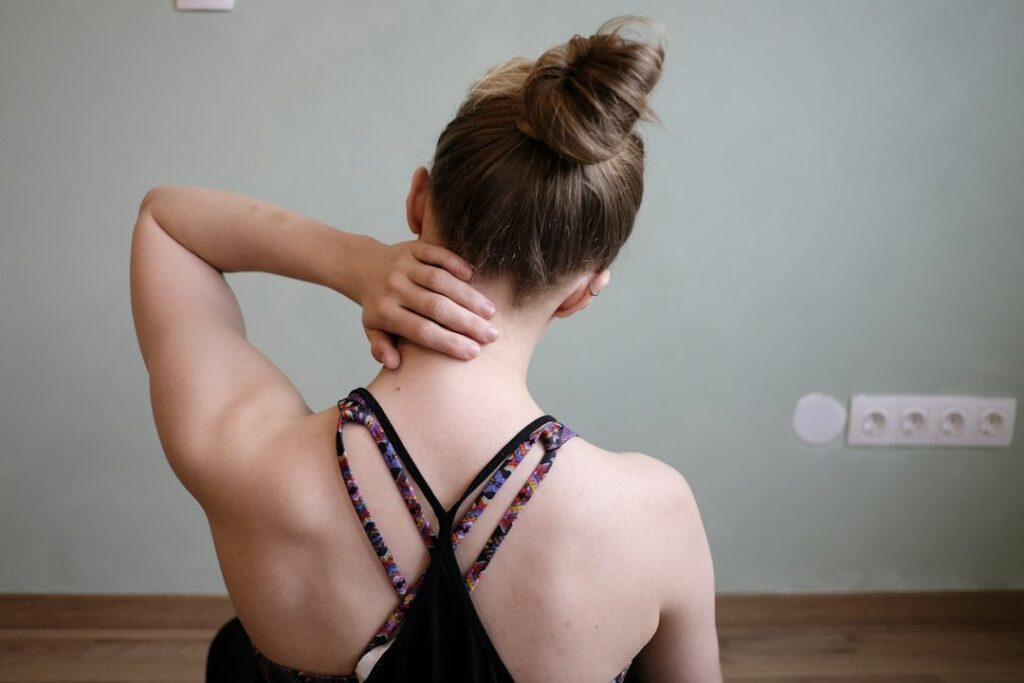
Tension headaches often feel like steady pressure, a tight band around the forehead, or aching that spreads through the temples, scalp, neck, and shoulders. Gentle stretching may reduce muscle tension and improve comfort, especially when headaches are related to prolonged sitting, screen use, stress, or an awkward sleeping position.
For residents in Chenango, seasonal routines can also affect the neck and upper back. Winter layering, snow-related chores, long drives, indoor work, and extended time at a desk may all encourage rounded shoulders or a forward-head posture. Stretching cannot treat every cause of headache, but it can be a useful part of a broader self-care routine.
Which stretches may help a tension headache?
The most useful stretches are gentle movements for the neck, shoulders, upper back, and chest. They should create mild tension without sharp pain, dizziness, tingling, or increased head pressure.
Try the following sequence while seated or standing:
Chin tuck
A chin tuck helps counter the forward-head position that often develops during computer, phone, or reading activities.
- Sit upright with both feet supported.
- Keep your eyes level and gently draw your chin straight backward, as if making a small double chin.
- Do not look down or force your head backward.
- Hold for 3 to 5 seconds, then relax.
- Repeat 8 to 10 times.
The movement should be small. The goal is to lengthen the back of the neck, not to strain it.
Side neck stretch
This targets muscles along the side of the neck that may become tight when the shoulders remain elevated or the head stays tilted.
- Sit tall and let both shoulders drop.
- Slowly bring your right ear toward your right shoulder.
- Keep the opposite shoulder relaxed rather than lifting it.
- Hold for 15 to 30 seconds.
- Return to center and repeat on the other side.
A hand may rest lightly on top of the head for guidance, but avoid pulling forcefully.
Upper trapezius stretch
The upper trapezius muscle runs between the neck and shoulder and commonly tightens during stress or prolonged desk work.
- Sit on one hand or hold the edge of the chair.
- Turn your head slightly to the left.
- Gently angle your nose toward the left armpit.
- Hold for 15 to 30 seconds, then switch sides.
This should feel like a stretch along the back and side of the neck. Stop if the sensation travels into the arm or causes numbness.
Levator scapulae stretch
This movement can be helpful when discomfort is concentrated near the upper inner edge of the shoulder blade.
- Sit upright and turn your head about 45 degrees to the left.
- Look downward, as though looking toward the left pocket of a jacket.
- Keep the right shoulder down.
- Hold for 15 to 30 seconds.
- Repeat on the opposite side.
Move slowly, particularly if the neck feels stiff after sleeping or working outdoors.
Shoulder rolls
Shoulder rolls encourage movement after a period of stillness.
- Lift both shoulders gently toward the ears.
- Move them backward, then down.
- Complete 8 to 10 slow circles.
- Reverse direction for another 8 to 10 repetitions.
Keep the movement comfortable. Fast or exaggerated circles may increase irritation rather than relieve it.
Chest-opening stretch

Tight chest muscles can contribute to rounded shoulders, which places more demand on the neck and upper back.
- Stand in a doorway with your forearms resting lightly against the frame.
- Step forward until a gentle stretch is felt across the chest.
- Keep the ribs relaxed and avoid arching the lower back.
- Hold for 15 to 30 seconds and repeat 2 or 3 times.
This can be particularly useful after time spent driving, using a laptop, or sitting on a couch.
How often should these stretches be done?
A short routine performed regularly is usually more helpful than a forceful session done only during a headache. Many people can try gentle neck and shoulder movements once or twice a day, with additional movement breaks during prolonged sitting.
A practical pattern is:
- Stretch gently for 5 to 10 minutes.
- Take a brief movement break every 30 to 60 minutes during desk or screen work.
- Walk for a few minutes if symptoms are mild and movement feels comfortable.
- Use slow breathing to reduce jaw, shoulder, and neck tension.
Stretching should not be used to push through worsening pain. If a movement repeatedly triggers a headache, remove it from the routine.
What should be avoided during a headache?
Forceful neck cracking, rapid circles, bouncing stretches, and strong pressure at the base of the skull may aggravate symptoms. Avoid holding the breath or stretching until pain becomes intense.
A warm shower or a comfortably warm pack over the shoulders may help muscles relax before gentle movement. Some people prefer a cool pack, particularly if warmth increases their discomfort. Keep any pack wrapped and limit exposure to a reasonable period to protect the skin.
Good posture does not mean holding the body rigidly. Instead, change positions often, keep the screen near eye level, support the lower back, and allow the shoulders to remain relaxed. A phone held between the ear and shoulder can place extra strain on the neck.
Can stretching prevent tension headaches?
Stretching may help reduce one contributing factor, but it does not prevent every headache. Tension-type headaches can also be associated with stress, poor sleep, dehydration, skipped meals, jaw clenching, eye strain, and frequent use of pain medicine.
A simple headache record may reveal patterns. Note the time of day, sleep quality, meals, fluid intake, screen exposure, physical activity, jaw tension, and what helped or worsened the symptoms. This information can make recurring headaches easier to understand.
Residents who spend time shoveling, carrying firewood, doing home repairs, or working in cold conditions should warm up gradually and avoid holding the shoulders tightly raised for long periods. Repeated overhead work may also fatigue the neck and shoulder muscles.
When should a headache be evaluated?
A headache should not automatically be assumed to be a tension headache. Seek urgent medical care for a sudden, severe headache or headache accompanied by weakness, numbness, confusion, fainting, trouble speaking, vision changes, seizure, fever, or a stiff neck.
Medical evaluation is also appropriate when headaches are becoming more frequent, changing in character, lasting several days, interfering with normal activities, or requiring pain medicine more than occasionally. Neck pain with arm weakness, persistent tingling, loss of coordination, or pain after a significant fall or collision also deserves prompt attention.
Chiropractic, medical, or rehabilitation evaluation may be appropriate when recurring headaches appear connected to neck movement, posture, muscle tightness, or restricted activity, but stretching should remain gentle until the cause is reasonably understood. A headache that is new, unusually intense, or steadily worsening should be assessed rather than managed only with exercises.
A simple five-minute routine
For a brief routine, begin with 8 chin tucks, followed by 20-second side neck stretches on each side. Add 10 shoulder rolls in each direction and finish with two gentle chest-opening stretches. Breathe normally and keep all movements within a comfortable range.
The purpose is to reduce accumulated tension, not to force the neck into a larger range of motion. If symptoms ease, the routine may be repeated later in the day. If symptoms worsen, stop and consider whether another cause may be contributing.
